
Ramadan is a month of spiritual reflection, self-discipline, and devotion to Allah. It’s a time to strengthen faith, engage in extra prayers, and focus on good deeds, while minimizing distractions of the everyday world. Yet, observing the fasts can sometimes be challenging, especially when essential food prices rise. To ease this burden, the government introduces the Ramadan Relief Package, ensuring that citizens can dedicate themselves fully to worship and reflection without worrying about the rising cost of necessities.
What Is the Ramadan Relief Package?

The Ramadan Relief Package is the government’s initiative to support citizens during the holy month by keeping essential food items accessible and affordable. It focuses on staples like flour, sugar, rice, cooking oil, pulses, and milk. Through subsidies and price monitoring, the package ensures that families can prepare Sehri and Iftar without financial stress. The goal is simple: allow everyone to observe Ramadan with peace of mind and focus on their spiritual practices.
Subsidies and Price Controls
A key feature of the relief package is price regulation. The government sets fixed rates for essential items, preventing sudden price hikes during the month of fasting. Markets and shops are closely monitored to ensure that commodities remain reasonably priced, especially in areas with high demand. These measures particularly benefit middle- and low-income families, enabling them to concentrate on prayer and devotion instead of financial worries.
Food Distribution Programs
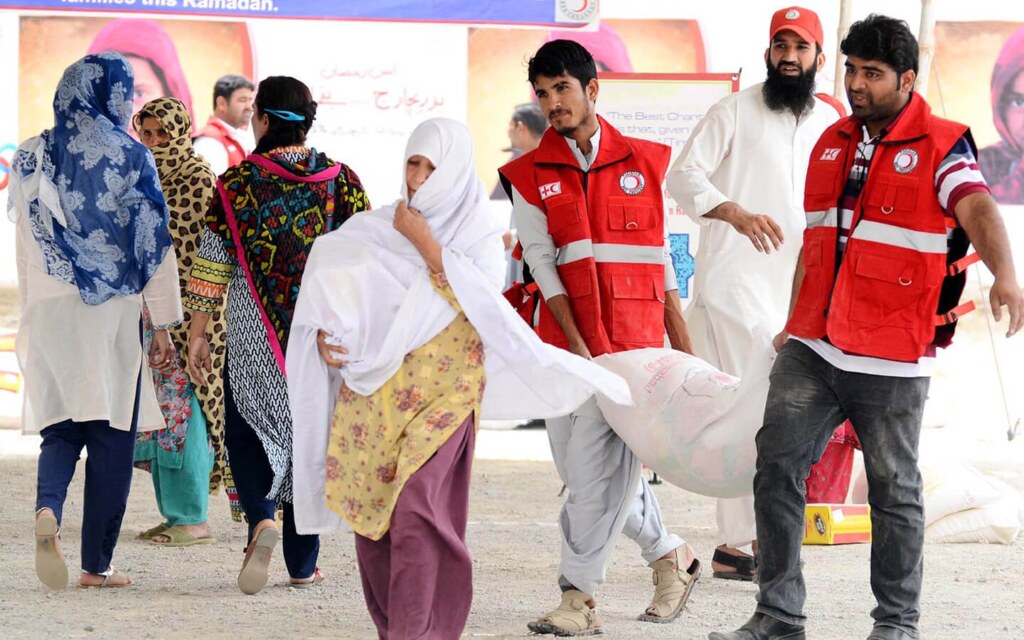
Beyond controlling prices, the government actively distributes ration packs to communities that need them most. Families in remote regions or economically disadvantaged neighborhoods receive essential items such as flour, rice, pulses, sugar, cooking oil, and sometimes dates. These packs ensure that everyone has the basic ingredients needed for Sehri and Iftar, supporting citizens to observe Ramadan properly and with dignity.
Cash Assistance for Families in Need
In addition to food support, the government, in partnership with NGOs and philanthropic organizations, provides cash assistance to families facing financial hardship. This support can help cover utility bills, educational expenses, or other urgent household needs, allowing recipients to focus on worship, reflection, and acts of charity without distraction.
Collaboration with NGOs and Local Organizations
To ensure the relief reaches those who truly need it, the government collaborates closely with NGOs and community groups. These partners help identify eligible families, manage distribution efficiently, and organize free Iftar or Suhoor services at mosques and community centers. This coordination guarantees that even underserved or remote communities benefit from the support.
Transparency and Accountability
Modern Ramadan relief programs emphasize transparency and accountability. Officials monitor markets, warehouses, and distribution points to prevent hoarding or misuse of resources. Citizens are encouraged to report irregularities, ensuring aid reaches the right individuals. Such oversight strengthens public trust and ensures the package serves its intended purpose.
The Spiritual Impact of Relief Packages

The Ramadan Relief Package goes beyond material support—it enables citizens to immerse themselves fully in spiritual reflection. By keeping essentials affordable, distributing food, and providing cash assistance, the government helps people dedicate time to prayer, Quranic recitation, and acts of charity. These measures allow individuals to focus on the core values of Ramadan: devotion, patience, generosity, and mindfulness.
Conclusion
Ramadan is a sacred time to strengthen faith, practice gratitude, and seek closeness to Allah. The Ramadan Relief Package provides crucial support, ensuring citizens can observe their fasts and worship without being burdened by rising costs or scarcity of essentials. Through price controls, ration distributions, and cash assistance, the program empowers families across Pakistan to dedicate themselves fully to their spiritual obligations. With this support, Ramadan becomes not just a month of fasting, but a month of faith, reflection, and meaningful devotion.


