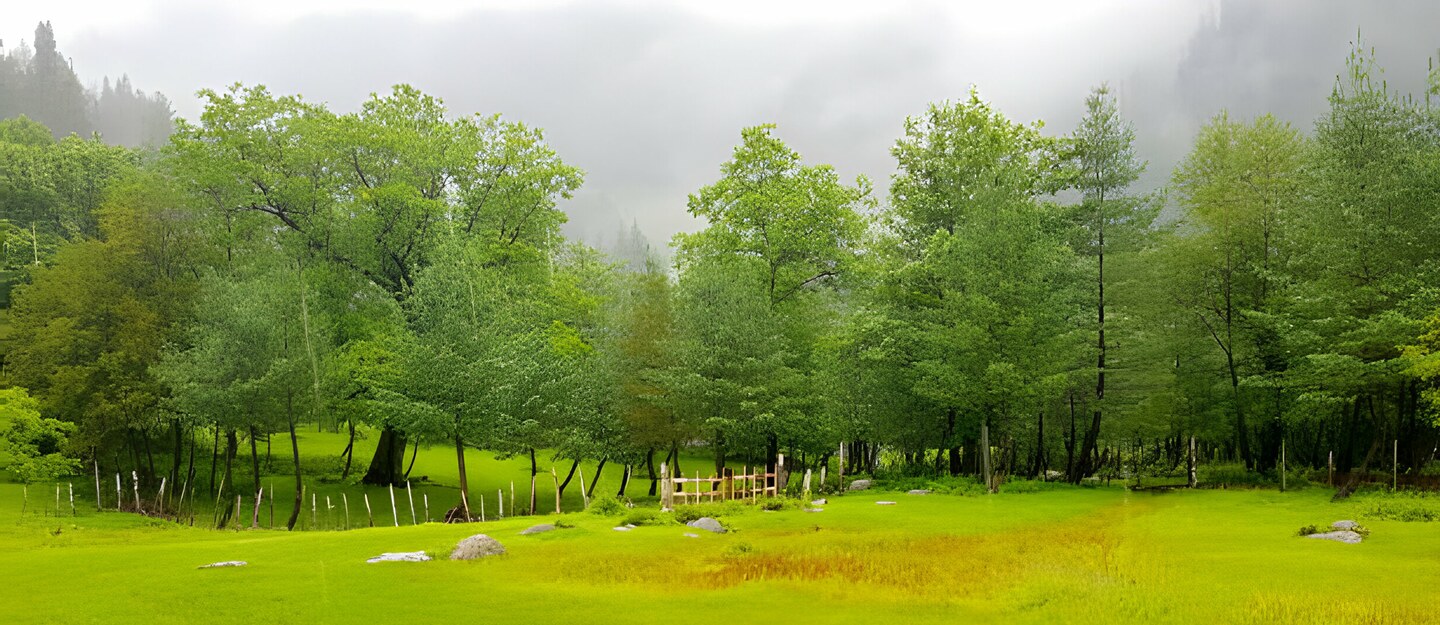
There are places you visit for the views. Then there are places you visit for the feeling.
Sharan Forest belongs firmly in the second category.
Hidden deep within the lush mountains of Kaghan Valley, this enchanting forest offers something that has become increasingly difficult to find: silence. No traffic. No billboards. No constant phone notifications. Just towering pine trees, crisp mountain air, birdsong echoing through the woods, and trails that disappear into a sea of green.
If you’re planning your summer vacation in 2026 and want to escape the crowds of Murree and Naran without compromising on natural beauty, Sharan Forest deserves to be at the top of your list.
Here’s everything you need to know before you go.
Where is Sharan Forest?
Sharan Forest is located in Mansehra District, Khyber Pakhtunkhwa, in the lower Kaghan Valley. Sitting at an elevation of around 2,400 metres (nearly 8,000 feet), the forest enjoys pleasantly cool weather throughout the summer, making it an ideal retreat from the scorching plains.
The journey begins by travelling from Islamabad to Balakot via the Hazara Motorway. From Balakot, continue towards Paras, the last major village before the forest.
From Paras, the adventure truly begins.
The final stretch is accessible only by four-wheel-drive jeeps that climb a rugged mountain track through dense forests and steep valleys. The ride itself is an experience, offering spectacular views long before you arrive at your destination.
Why is everyone talking about Sharan?
Unlike many northern destinations that have become heavily commercialised, Sharan has managed to retain its wilderness.
Instead of rows of hotels and busy bazaars, you’ll find ancient pine forests, wooden cottages hidden among the trees, mountain streams, birds calling from the canopy, and hiking trails that seem untouched by time.
The moment you step into Sharan, the temperature drops, the air becomes noticeably fresher, and the scent of pine fills every breath.
It’s one of those rare places where doing absolutely nothing somehow becomes the highlight of your trip.
A forest that feels alive
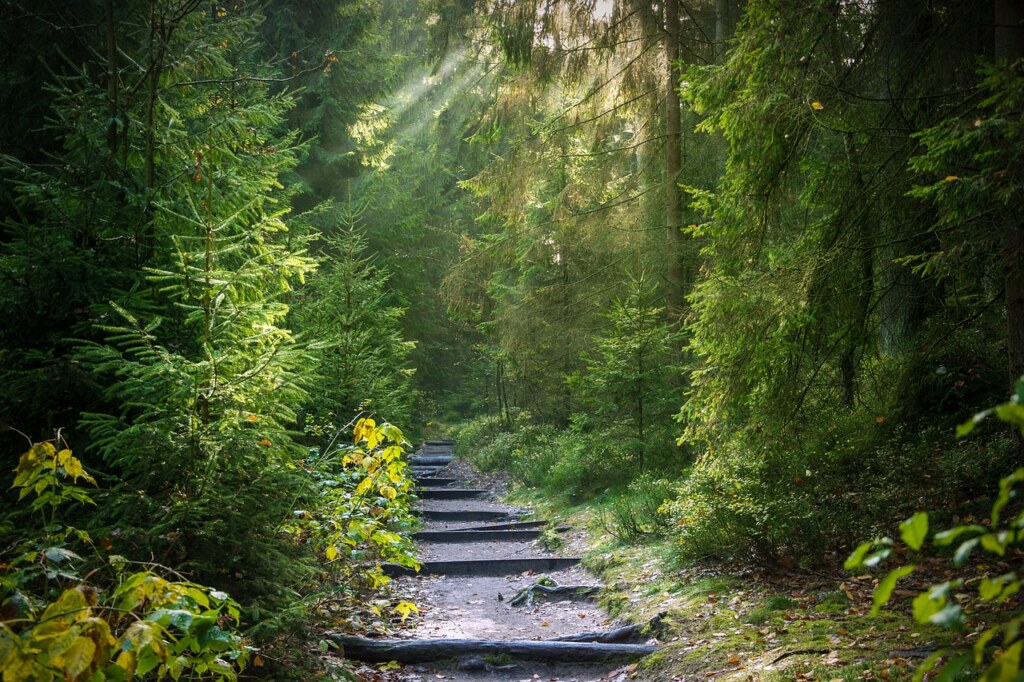
Sharan’s towering deodar, pine, fir and spruce trees create a dense canopy that allows only scattered sunlight to reach the forest floor.
The ground is covered with moss, ferns and wildflowers, while fallen tree trunks provide habitat for countless insects, fungi and woodland creatures.
Morning often arrives wrapped in mist, giving the entire forest an almost cinematic appearance. As sunlight slowly filters through the branches, every corner seems to transform into a postcard.
Photographers often describe sunrise here as one of the most rewarding moments in northern Pakistan.
Wildlife that prefers to stay hidden
Although most visitors never encounter large mammals, Sharan forms part of an important Himalayan ecosystem.
The forest is home to Himalayan black bears, musk deer, foxes, porcupines, martens and, in remote areas, the elusive common leopard.
Bird lovers have even more to discover. Golden eagles soar above the valleys, while woodpeckers, black bulbuls, Himalayan monals, snowcocks and numerous other mountain birds can be spotted throughout the forest.
One of the joys of Sharan is knowing that you’re walking through a living ecosystem rather than simply visiting another tourist attraction.
Mysteries and local folklore
Like many ancient forests, Sharan has accumulated its share of legends.
Locals tell stories of mysterious lights appearing between the trees on foggy nights, strange echoes travelling through the forest, and unexplained sounds that have fuelled generations of folklore. While there is no evidence supporting paranormal claims, these tales have become part of Sharan’s identity and only add to its intrigue.
Another local curiosity is the famous “cobra plant,” known locally as Sur Kunda. Many villagers believe snakes are often found around the plant, giving rise to its nickname. Botanists, however, identify it as a native alpine species with traditional medicinal uses, while locals have long observed that bears feed on it before hibernation.
Whether fact or folklore, these stories make evening conversations around a bonfire even more memorable.
Places you shouldn’t miss
Manshi Top
If there’s one hike every visitor should complete, it’s the trail to Manshi Top.
The moderately challenging trek winds through dense forest before opening onto rolling alpine meadows with panoramic views of Kaghan Valley and the surrounding mountains.
On a clear day, you’ll understand why photographers consider this one of the most rewarding viewpoints in the region.
Sharan Waterfall
A peaceful walk through the forest leads to a charming waterfall tucked away among the trees.
It’s not the tallest waterfall in Pakistan, but its untouched surroundings and tranquil atmosphere make it a favourite stop for families and photographers alike.
Forest trails
Perhaps the greatest attraction is simply wandering.
Nearly every path leads to another hidden stream, wooden bridge, moss-covered rock formation or quiet clearing that invites you to stop, breathe and appreciate the surroundings.
Where to stay
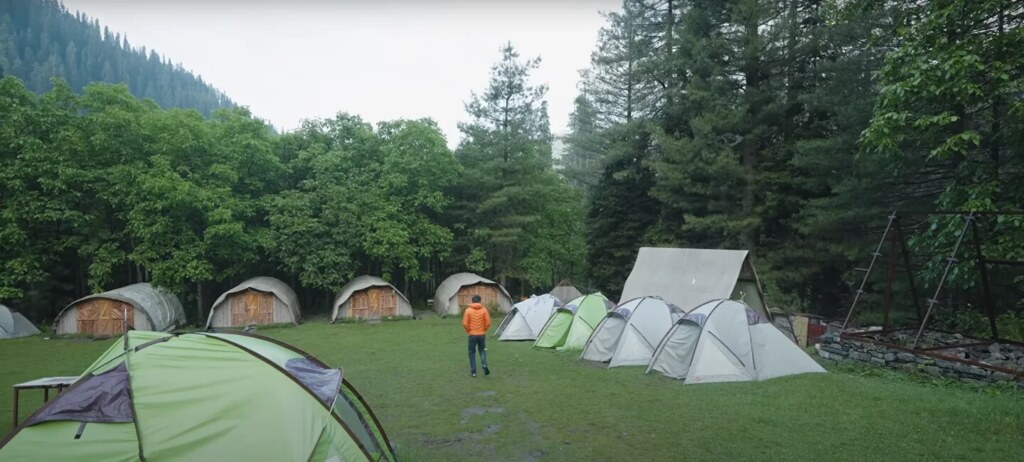
Accommodation in Sharan has expanded over the years while maintaining the area’s natural charm.
Visitors can choose from several options, including:
- Sharan Forest Resort
- Chinar Resort Sharan
- Pakistan Youth Hostel
- Camping pods
- Glamping pods
During the peak summer season—particularly from June to August and over long weekends—rooms fill up quickly.
Advance booking is highly recommended, as many visitors arrive expecting to find accommodation only to discover that everything has already been reserved.
Things to know before you go
Sharan offers an authentic mountain experience, but visitors should arrive prepared.
- There are no banks or ATMs in the forest, so carry sufficient cash before leaving Balakot or Paras.
- Don’t expect mobile connectivity either. There is no regular mobile network within Sharan. Locals often hike to specific high points to make phone calls or send WhatsApp messages, so visitors should be prepared to disconnect completely during their stay.
- Only a handful of small local shops operate in the forest, selling essential daily-use items such as bottled water, snacks, tea, biscuits, eggs and instant noodles. If you require medicines, specialised food or other supplies, bring them with you.
- Electricity is generated primarily through solar power, meaning supply is limited. Carrying a fully charged power bank is strongly recommended.
- After sunset, the forest becomes remarkably dark. A good torch or headlamp isn’t just useful—it’s essential for walking between your accommodation, restaurants and campsites safely.
Best time to visit
The ideal time to visit Sharan Forest is between May and September.
May and June offer pleasant temperatures and fresh greenery.
July and August transform the forest into a lush emerald paradise thanks to the monsoon, although rainfall can make jeep tracks muddy.
September brings cooler weather, crystal-clear mountain views and fewer tourists, making it one of the best months for photography and trekking.
The takeaway
In an age where almost every destination is crowded, commercialized and constantly connected, Sharan Forest remains refreshingly different.
It isn’t a place filled with fancy shops or luxury resorts. It offers something far more valuable: thick towering forests, clean mountain air, unforgettable hiking trails, wildlife, fascinating local legends, nights illuminated by countless stars, and the rare opportunity to disconnect from the digital world.
If your idea of the perfect summer vacation in 2026 involves adventure, tranquility and genuine natural beauty, Sharan Forest won’t just meet your expectations; it will leave you planning your next visit before you’ve even driven back down the mountain.


