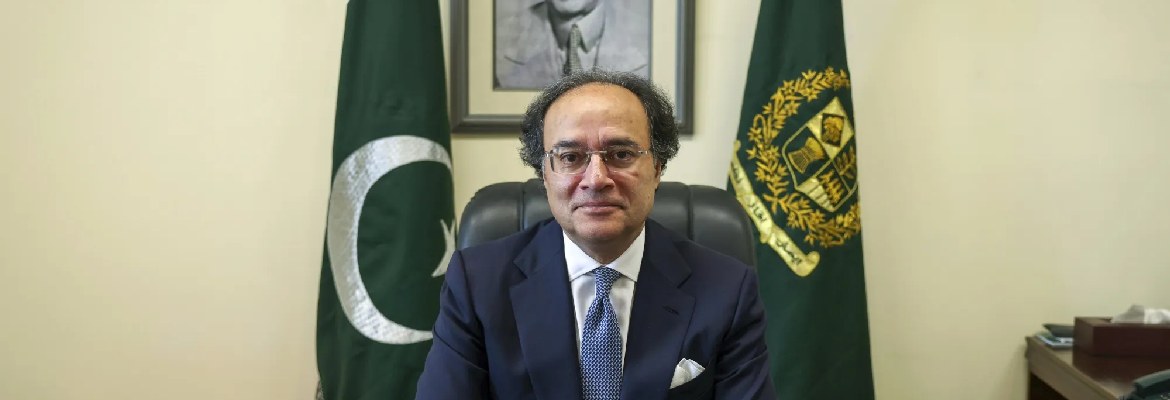
Islamabad: Pakistan’s federal revenue collection rose by 27% in FY2025, Finance and Revenue Minister Muhammad Aurangzeb told the National Assembly on Monday, crediting the surge to structural reforms, digital monitoring of key sectors, and stricter action against tax evasion.
Aurangzeb said the Federal Board of Revenue (FBR) collected PKR 11.7 trillion during the fiscal year, compared to PKR 9.2 trillion in FY2024—an increase of nearly PKR 5 trillion. Withholding tax increased by 28%, sales tax by 26%, federal excise duty by 33%, and customs duty by 16%. He described the performance as “strong and structurally driven rather than one-off.”
The minister noted that Pakistan’s tax-to-GDP ratio improved from 8.5% to 10.3%, with expectations of reaching 11% this year. He said technology-led reforms, monitored weekly by the prime minister, were central to the progress. Enforcement measures focused on widening and deepening the tax net, including nearly PKR 200 billion collected from retailers and wholesalers and around 400,000 non-null returns filed—“a real compliance gain,” he added.
Digital production monitoring in the sugar and cement sectors also boosted collections, contributing an additional PKR 7 billion and PKR 10 billion respectively between July and November. Aurangzeb encouraged members of the assembly to share information on suspected tax evasion to strengthen enforcement further.
Discussing access to finance in agriculture, he highlighted the government’s collateral-free loan programme for farmers with less than five acres of land and those in subsistence livestock farming. The scheme operates through a first-loss guarantee and subsidy via the State Bank of Pakistan and has already been rolled out.
On the IMF Governance Diagnostic Report, Aurangzeb said it was based on consultations involving over 100 meetings and more than 30 departments. He noted that the report acknowledged Pakistan’s progress in fiscal performance, primary surplus, inflation moderation, reserve building, State Bank reforms, FATF exit, digitalisation measures, and dispute resolution mechanisms. The minister stressed that the report’s 15 recommendations were technical and “not a judgment on any government.” Pakistan will submit its action plan by December 31, which will also be shared with the Standing Committee on Finance.
Samra Zulfiqar, a real estate analyst at Zameen.com, is passionate about finding projects that offer buyers the best returns. Her keen insights spotlight the market’s most promising opportunities.