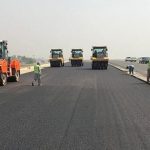
Karachi:The government has requested a six-month extension from the World Bank for the Karachi Mobility Project (KMP), seeking to move the project’s closing date from December 31, 2025, to June 30, 2026, to avoid disruptions in ongoing construction works, particularly on the Bus Rapid Transit (BRT) Yellow Corridor.
The project, approved by the World Bank in June 2019, is financed through an International Bank for Reconstruction and Development (IBRD) loan of USD 382 million. It also includes USD 18.4 million in counterpart funding from the Sindh government and USD 37.5 million in private sector contributions, bringing the total project cost to USD 438 million.
According to project documents, the requested extension is intended to allow sufficient time to complete key civil works and related infrastructure while authorities prepare an additional financing package estimated at USD 173.2 million. If approved, the additional financing could extend the project’s overall duration to December 31, 2028. Officials said no changes are proposed to the project’s scope, objectives, components, safeguards, procurement framework, or implementation arrangements.
The World Bank noted that the project faced delays in its early stages due to staff turnover, limited political support, and disruptions caused by the COVID-19 pandemic. However, implementation has picked up pace, with both Project Development Objective progress and overall implementation performance currently rated “Moderately Satisfactory.”
Key developments include the completion and partial opening of the Jam Sadiq Bridge, ongoing construction of two BRT depots, and procurement processes underway for major corridor packages. An Accelerated Implementation Plan has been introduced to improve disbursement and strengthen oversight. To date, approximately USD 115 million — about 30 percent of the IBRD financing — has been disbursed.
The World Bank management approved a formal exception under its Investment Project Financing Directive to allow the extension request, citing satisfactory borrower performance, the absence of outstanding audit issues, and a clear plan for project execution during the extended period.
Environmental and social risks associated with the project continue to be rated “Substantial,” reflecting the challenges of large-scale construction in Karachi’s dense urban environment. Officials said mitigation measures, including compensation and livelihood restoration plans, a grievance redress mechanism, a Gender Action Plan, and climate resilience features such as elevated corridors and improved drainage, are being implemented as planned.
Samra Zulfiqar, a real estate analyst at Zameen.com, is passionate about finding projects that offer buyers the best returns. Her keen insights spotlight the market’s most promising opportunities.