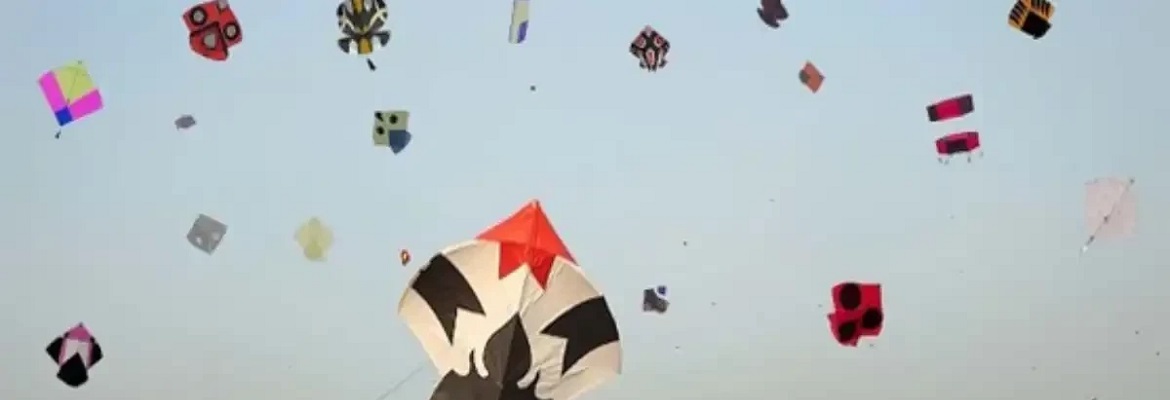
Lahore: The Punjab government has notified the Punjab Regulation of Kite Flying Rules, 2025, but has yet to take a final decision on the scale of kite flying activities or formally announce the dates for the proposed Basant festival across the province.
Although the government has previously indicated that a three-day Basant festival may be held from February 6 to 8, 2026, sources say the dates have not yet been officially notified. Authorities are still deliberating whether kite flying will be allowed across entire cities, restricted to designated grounds, or limited to selected rooftops, including specific areas within Lahore’s Walled City.
With the notification of the rules, the Punjab Assembly is expected to take up the Punjab Regulation of Kite Flying Bill, 2025, for approval in its upcoming session. Until the bill is passed, kite flying remains banned across the province and will only be permitted on specific days and at designated locations after legislative approval.
According to officials in the Punjab home department, the government has instructed all deputy commissioners to begin registering kite and string manufacturers, traders, sellers, and kite-flying associations. District administrations have also been asked to inform the provincial government whether they are prepared to hold Basant events on the government’s proposed dates or on alternative dates in their respective districts.
Punjab banned the Basant festival in 2007 following a rise in deaths and serious injuries, particularly among motorcyclists, caused by sharp and metallic kite strings. The current move to revive the festival has been initiated following consultations with stakeholders on the recommendation of PML-N chief and former prime minister Nawaz Sharif.
Under the proposed law, the use, manufacture, sale, transport, or storage of hazardous kite strings — including metallic wires, nylon cords, and strings coated with glass or other sharp materials — will remain strictly prohibited. Violators involved in kite flying may face imprisonment ranging from three to five years or fines of up to Rs2 million, while those manufacturing or selling banned materials could face five to seven years in prison and fines of up to Rs5 million.
The bill empowers deputy commissioners to allow permissible kite flying on specific days and at designated locations, subject to provincial government approval and strict safety conditions. However, the use of sharp or metallic strings will remain banned under all circumstances.
Under the newly notified rules, manufacturers, traders, and sellers of authorised kite flying material must apply for registration with their respective deputy commissioners, along with required documentation. Kite-flying associations may also register through an online application submitted by their president or general secretary. Applications must be verified within 10 days, after which successful applicants will receive a registration certificate valid for one year.
The rules also introduce a non-refundable annual registration fee of Rs1,000 for manufacturers, traders, and sellers, and Rs5,000 for kite-flying associations.
Specifications for permitted kites and strings have also been outlined. A ‘patang’ must not exceed 35 inches in width and 30 inches in length, while a ‘gudda’ may not exceed 40 inches in width and 34 inches in length. Kite string must be made of cotton with no more than nine threads and not less than 28 counts, and must be wound in the shape of a ball, as spools are prohibited.
Safety concerns remain central to the government’s approach. In recent years, several fatal incidents have been reported, including the electrocution of a 13-year-old boy in Kasur while attempting to catch a stray kite and the death of a motorcyclist in Faisalabad after his throat was cut by a metal string. Following such incidents, the provincial government intensified its crackdown on kite flying, declaring kite-making, flying, and transportation non-bailable offences in August 2024.
Officials say any revival of Basant will be carried out under strict regulatory oversight, with final decisions to be taken after legislative approval and consultations with district administrations.
If you want, I can tighten this further for print, trim it to a strict word count, or adapt it to Dawn / Tribune / newsroom house style.
Samra Zulfiqar, a real estate analyst at Zameen.com, is passionate about finding projects that offer buyers the best returns. Her keen insights spotlight the market’s most promising opportunities.