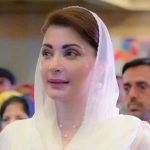
Lahore: The Punjab government has announced major initiatives to restore Lahore’s historic sites and introduce artificial intelligence (AI)-based traffic management systems in the city. The decisions were taken during high-level meetings chaired by Chief Minister Maryam Nawaz and PML-N President Nawaz Sharif under the Lahore Heritage Areas Revival (LAHAR) project.
As part of the heritage restoration drive, the government plans to fully restore Lahore Fort, including all 26 monuments within its 40-acre complex, and renovate key historical sites such as the tombs of Jahangir, Nur Jahan, and Asif Khan. A new bridge will connect the tomb of Jahangir directly to the main road, while historic façades in Shah Alam Market and Rang Mahal Chowk will be restored to their original character.
The LAHAR project also includes the conversion of Kharaak Singh Haveli and old servant quarters into a heritage hotel to promote tourism, along with rehabilitation of Tollinton Market, Lahori Gate, and the areas around Railway Station Chowk and Misri Shah. The government has approved aesthetically enhanced designs for Pak Tea House to restore its traditional look.
In addition to heritage projects, the Punjab government is introducing an AI-based traffic management system following the Chinese model. CM Maryam Nawaz emphasized that the system will improve traffic flow and safety, while also supporting law enforcement efforts. Police escorts for Chinese nationals have been mandated to ensure their security.
During the meetings, officials reviewed the overall law and order situation in the province. The government reported that more than 10,500 illegal Afghan nationals had been repatriated, and ongoing daily operations continue to maintain public safety. Measures against anti-social elements, including the establishment of district-level anti-drone cells, were also discussed.
CM Maryam Nawaz highlighted the use of digital monitoring and data-driven systems to enhance governance, public safety, and urban management. She reaffirmed the government’s commitment to blending heritage conservation with modern urban planning and technology, including smart infrastructure, digital services, and predictive analytics.
The initiatives are part of the government’s broader effort to modernize Lahore while preserving its historical identity, promoting tourism, and improving urban mobility and security.
Samra Zulfiqar, a real estate analyst at Zameen.com, is passionate about finding projects that offer buyers the best returns. Her keen insights spotlight the market’s most promising opportunities.